



AAVLD 2025 LIFE MEMBERSHIP AWARDS
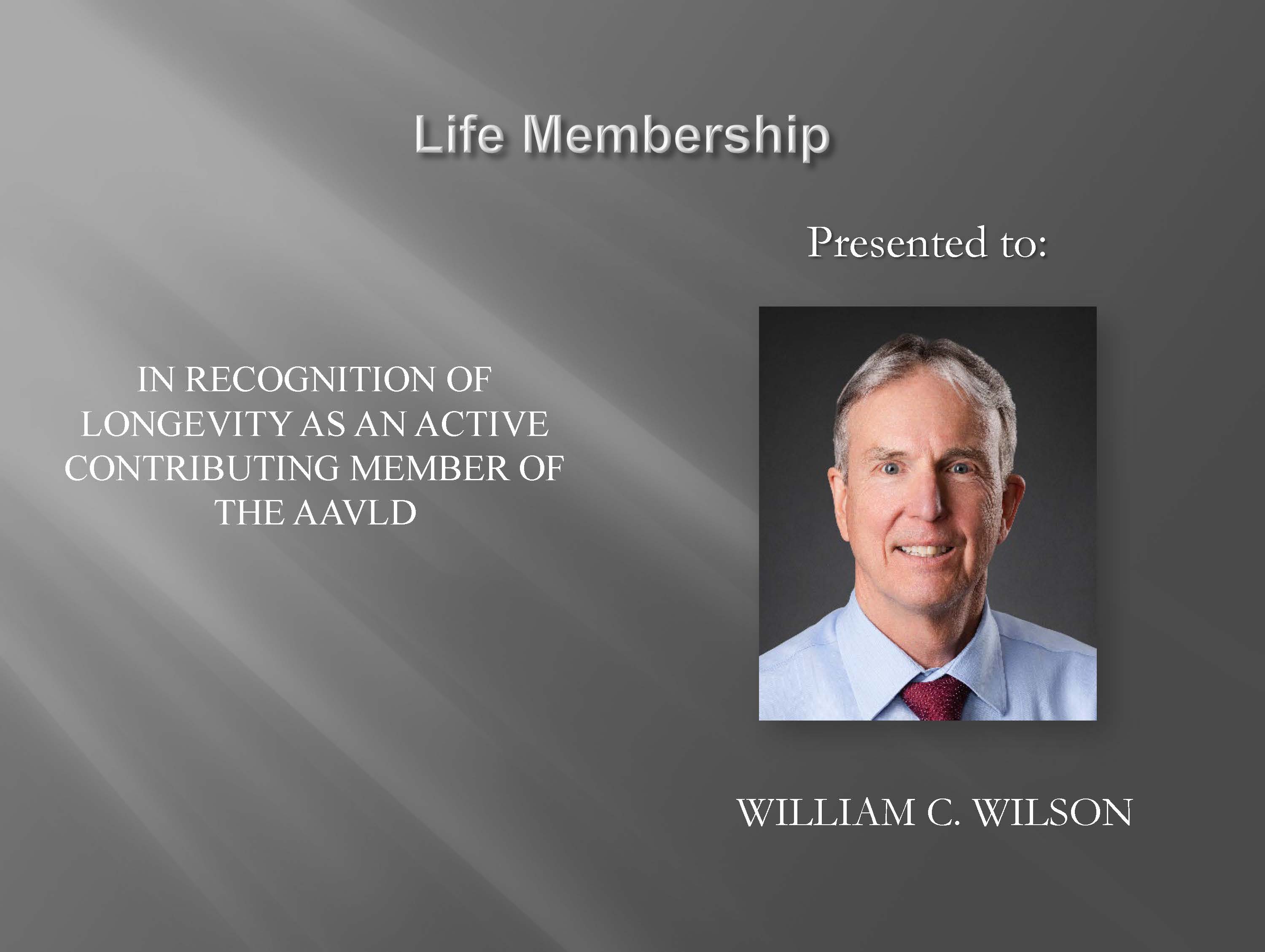
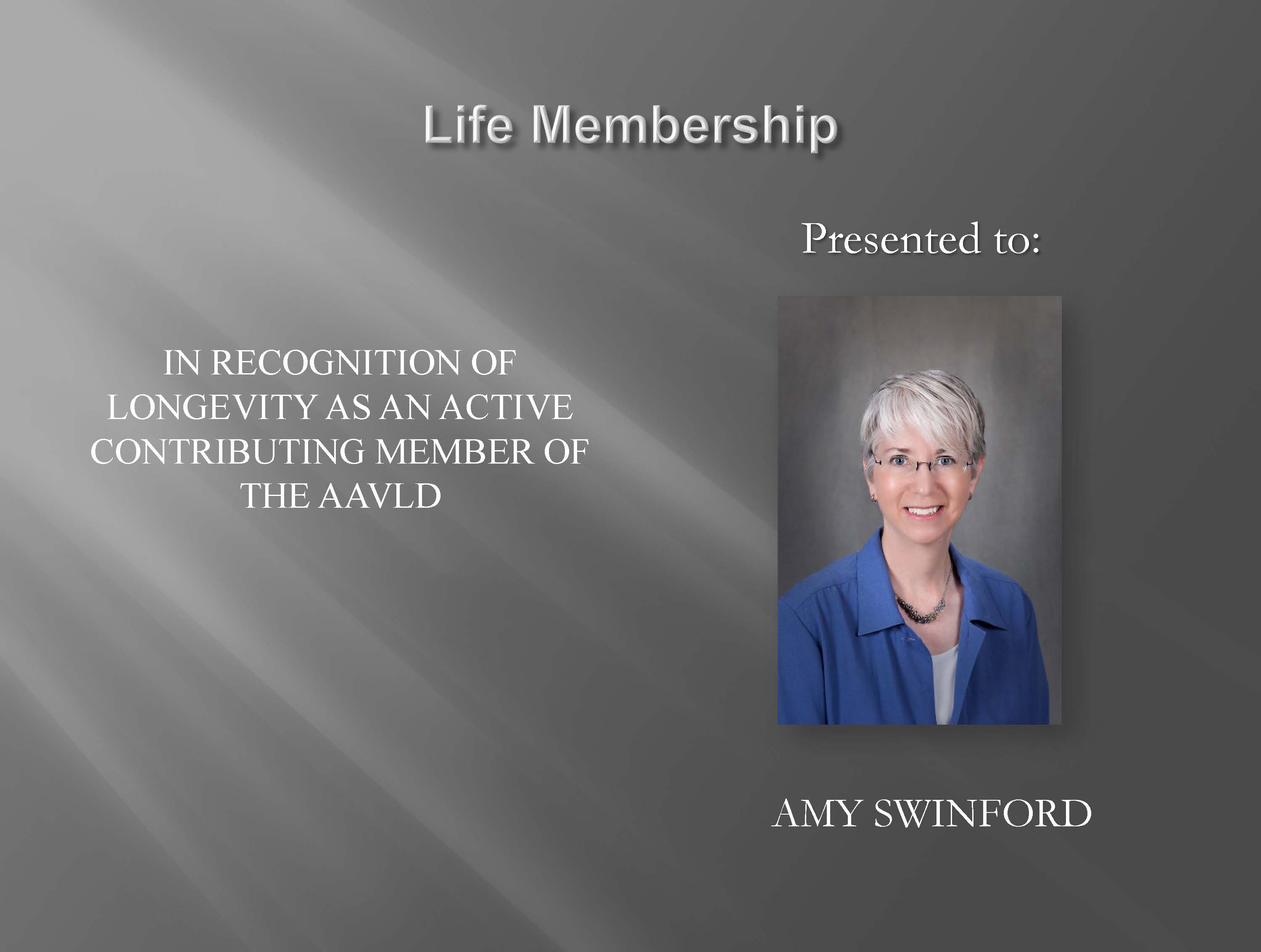
Claire B. Andreasen l Bill Van Alstine l Robert Poppenga l Francois Elvinger l Mo Salman l William C. Wilson l Amy Swinford 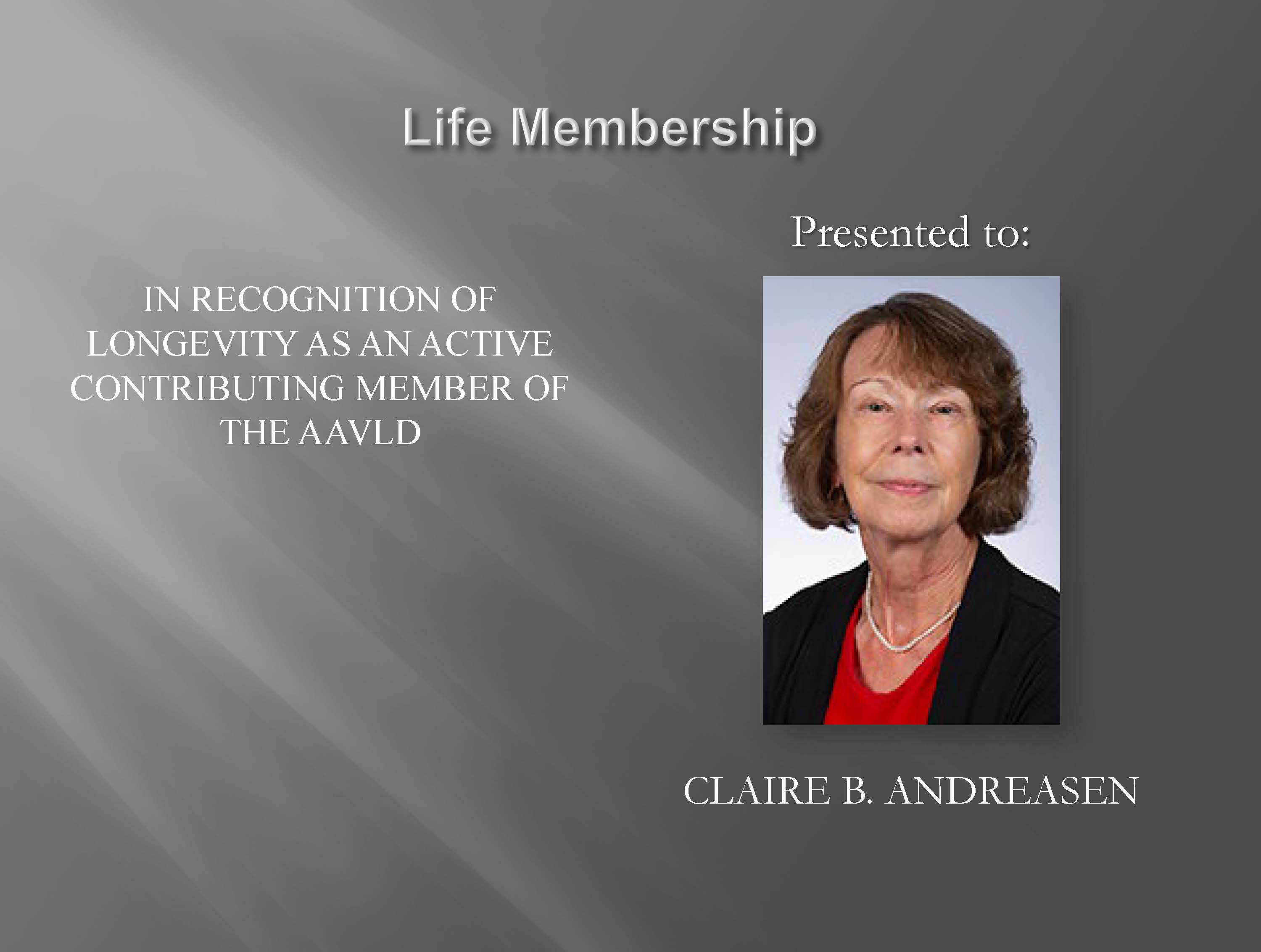  CURRICULUM VITAE- Select the PDF Icon to read more. CLAIRE BUCHANAN ANDREASEN, DVM, PhD, Diplomate ACVP
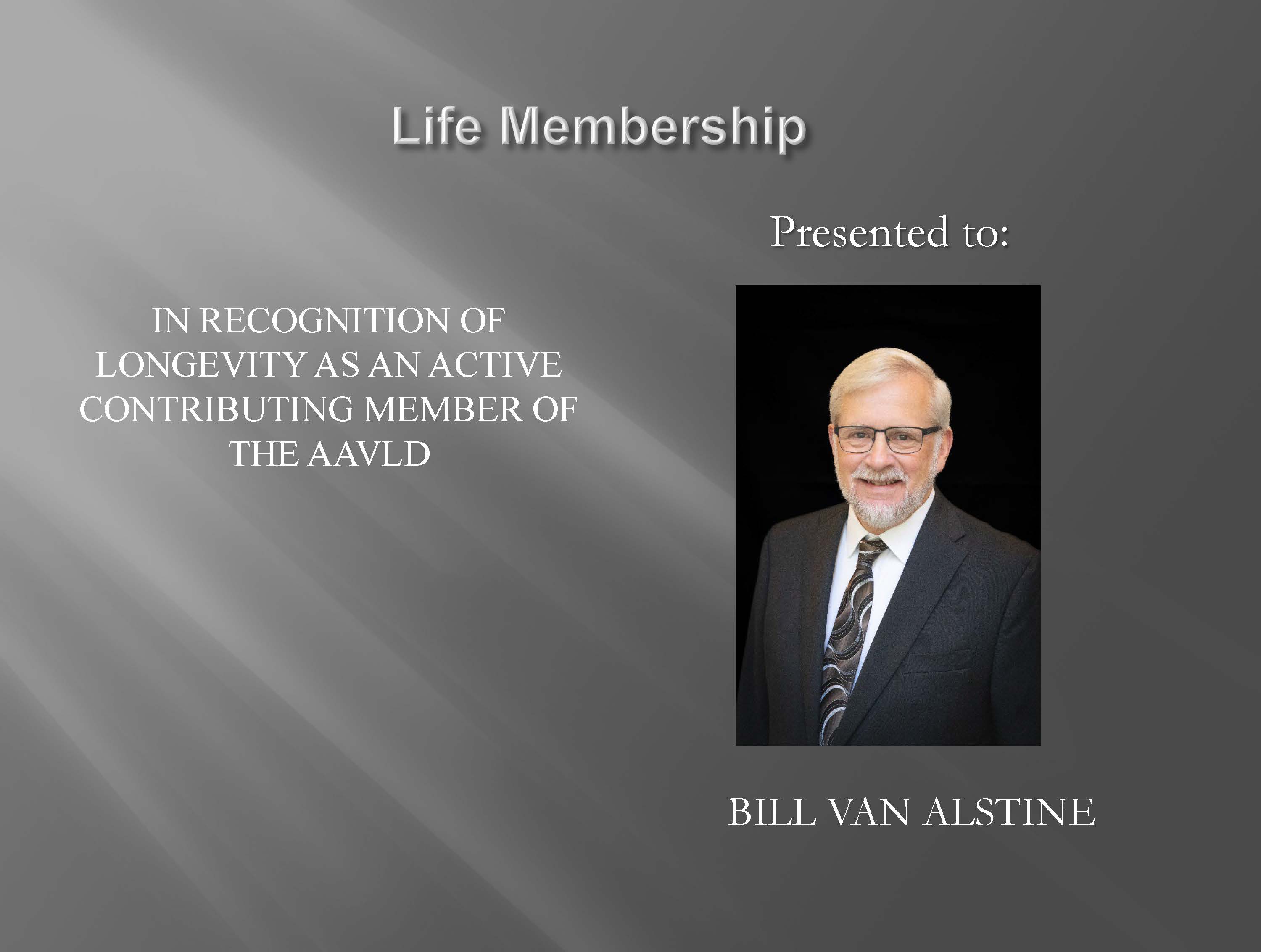
Dr. William G. Van Alstine, DVM, PhD, received his DVM from the University of Missouri, College of Veterinary Medicine in 1981. After working in a predominantly large animal practice in Minnesota, he attended Iowa State University and received a PhD in anatomic pathology in 1987. He was board-certified by the American College of Veterinary Pathologists and joined the faculty of Purdue University College of Veterinary Medicine and Indiana Animal Disease Diagnostic Laboratory that same year. Dr. Van Alstine retired as Professor of Veterinary Pathology (Emeritus) from the College of Veterinary Medicine, Purdue University in 2014 after 28 years at Purdue. During his tenure at Purdue University, he served as a diagnostic and research pathologist and helped teach/mentor over 100 pathology graduate students/residents and approximately 2000 veterinary students. His academic interests focused on animal models for large animal diseases, investigating and defining induced and naturally occurring toxic and infectious diseases of animals, and developing animal models for non-clinical human medical device testing. He has over 125 publications (scientific journals and book chapters). At Purdue, he held multiple administrative positions, including Head of Pathology in the ADDL and the Department of Comparative Pathobiology, Associate Director of the ADDL, and Chairman of the Purdue University Animal Care and Use Committee. After retiring from Purdue University, Dr. Van Alstine joined Cook Medical, a global medical device company, and served as Director of Veterinary Pathology until 2022. Dr. Van Alstine has been a member of AAVLD for 42 years and has served on many/most administrative, program, and scientific committees. In 1997, he had the privilege to serve as President of the AAVLD. Over the past 42 years, he has been continually amazed at the progress of diagnostic medicine in the United States and equally amazed at how veterinary diagnostics worldwide are more advanced and increasingly more available in all parts of the world, including developing countries. That accomplishment is due in a very large part to the efforts of the AAVLD. He considers it a privilege to have been a part of this wonderful scientific group! Since 2022, he has still occasionally provided pathology and regulatory support to medical device companies and interacts with the FDA and regulatory bodies around the world. More importantly, he enjoys traveling with his wife, Patti, to visit their 4 adult children and (currently) 13 grandchildren. He plans to complete the final leg of a multi-year section hike of the Appalachian Trail in 2026.
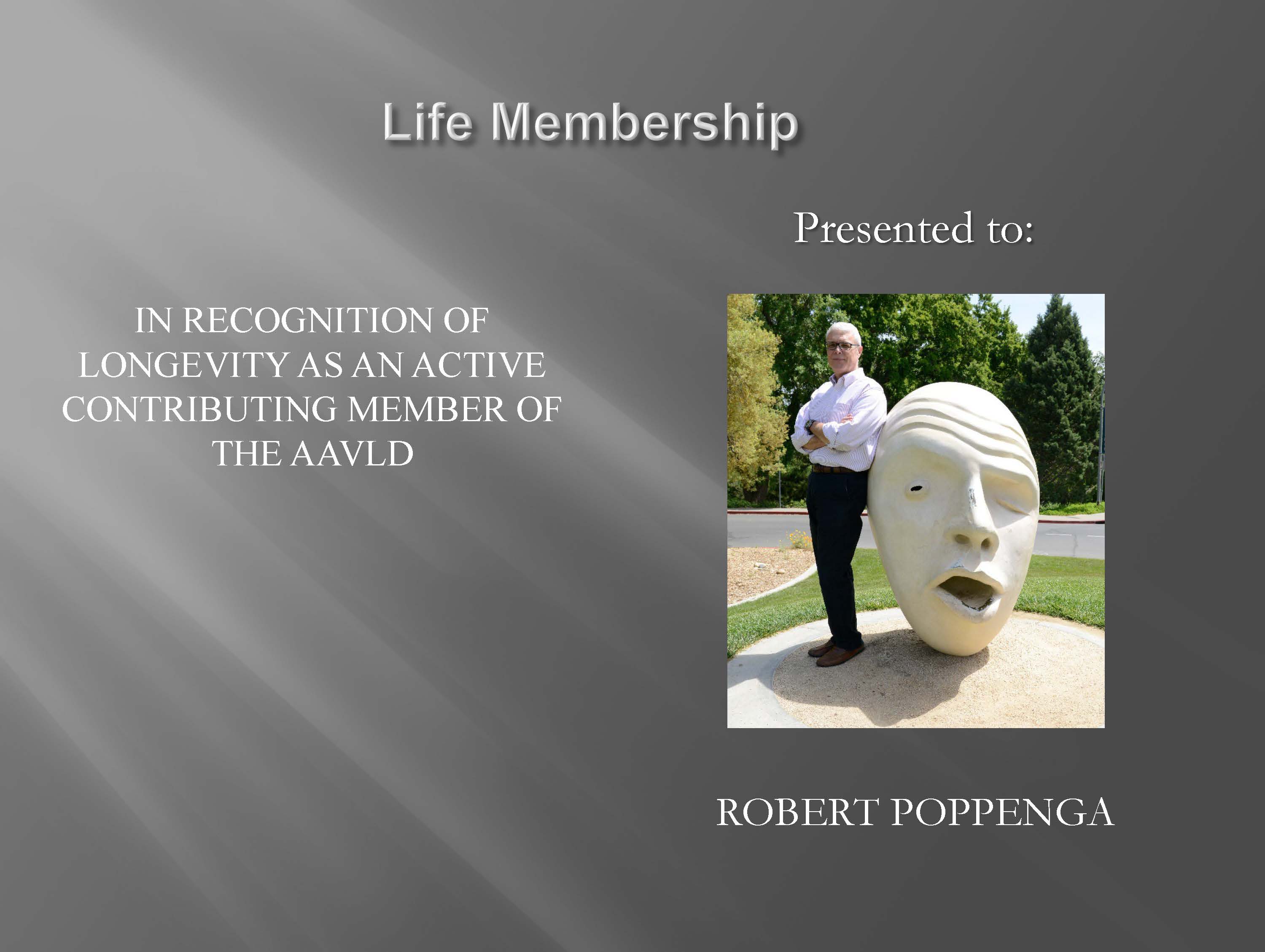
Robert H. Poppenga, DVM, PhD, received my DVM and PhD degrees from the University of Illinois in 1978 and 1987, respectively. During my PhD studies, I was also a staff veterinarian for the National Animal Poison Control Center at the College of Veterinary Medicine (the center subsequently became the ASPCA Animal Poison Control Center). Since receiving my PhD and residency training in veterinary toxicology, I have held faculty positions at Michigan State University, University of Pennsylvania, and University of California at Davis (UCD) veterinary schools. I am currently a Full Professor, Emeritus, having been a veterinary toxicologist at the California Animal Health and Food Safety Laboratory System (CAHFS), School of Veterinary Medicine, UCD, from 2004 to 2025. I retired from CAHFS on July 1, 2025. I have nearly 35 years of experience in veterinary toxicology and food safety as a result of working in several veterinary diagnostic laboratories. I have routinely conducted forensic investigations into a variety of potential accidental and malicious animal poisonings involving numerous species, often involving an assessment of causation. I have supervised and directed state-of-the-art veterinary diagnostic toxicology sections with a broad array of analytical capabilities and diversity of case submissions. I have taught professional, graduate, and undergraduate students using a variety of teaching formats, including case- and problem-based learning modalities. I have also trained residents in veterinary toxicology as part of my duties with CAHFS. I initiated a bi-weekly collaborative case-based discussion group with veterinary toxicologists and residents at the University of Kentucky, Iowa State University, and Kansas State University. While at the University of Pennsylvania, I led the effort to develop a computer-aided learning module on poisonous plants. As an Emeritus faculty member, I continue to serve on the Admissions and Graduate Student Advisory Committees of the Forensic Science Graduate Group and the Graduate Student Advisory Committee of the Pharmacology and Toxicology Graduate Group at UCD. In my role as Toxicology Section Head at CAHFS, I supervised 11 FTE analytical chemists and staff with over 100 years of combined experience across all analytical systems. The Toxicology Section has a full array of analytical capabilities, including LC/MS (and HRMS), GC/MS, ICP/MS, LC/ICP/MS, and ELISA analytical platforms. The Section has a unique capability to approach chemical contamination incidents from a variety of clinical and analytical perspectives. My research interests have included diagnostic veterinary toxicology, wildlife toxicology, and the development of biomarkers for chemical exposure. I am an author/co-author on more than 160 peer-reviewed publications and numerous book chapters. Since 2004, the CAHFS Toxicology Section has received support through the US Food and Drug Administration’s Food Emergency Response Network (FERN) and Veterinary Laboratory Investigation and Response Network (VetLIRN) Chemistry programs, and I have been the PI on those cooperative agreements. I am active in several professional organizations including the American Association of Veterinary Laboratory Diagnosticians (Regional Executive Board Member, Journal of Veterinary Diagnostic Investigation Editorial Board, and member of the Committee on Toxicology and Environmental Issues), American Board of Veterinary Toxicology (Secretary/Treasurer, Vice President, President, Examination Committee Chair, and Education Committee), and the American Veterinary Medical Association (Committee on Environmental Issues).
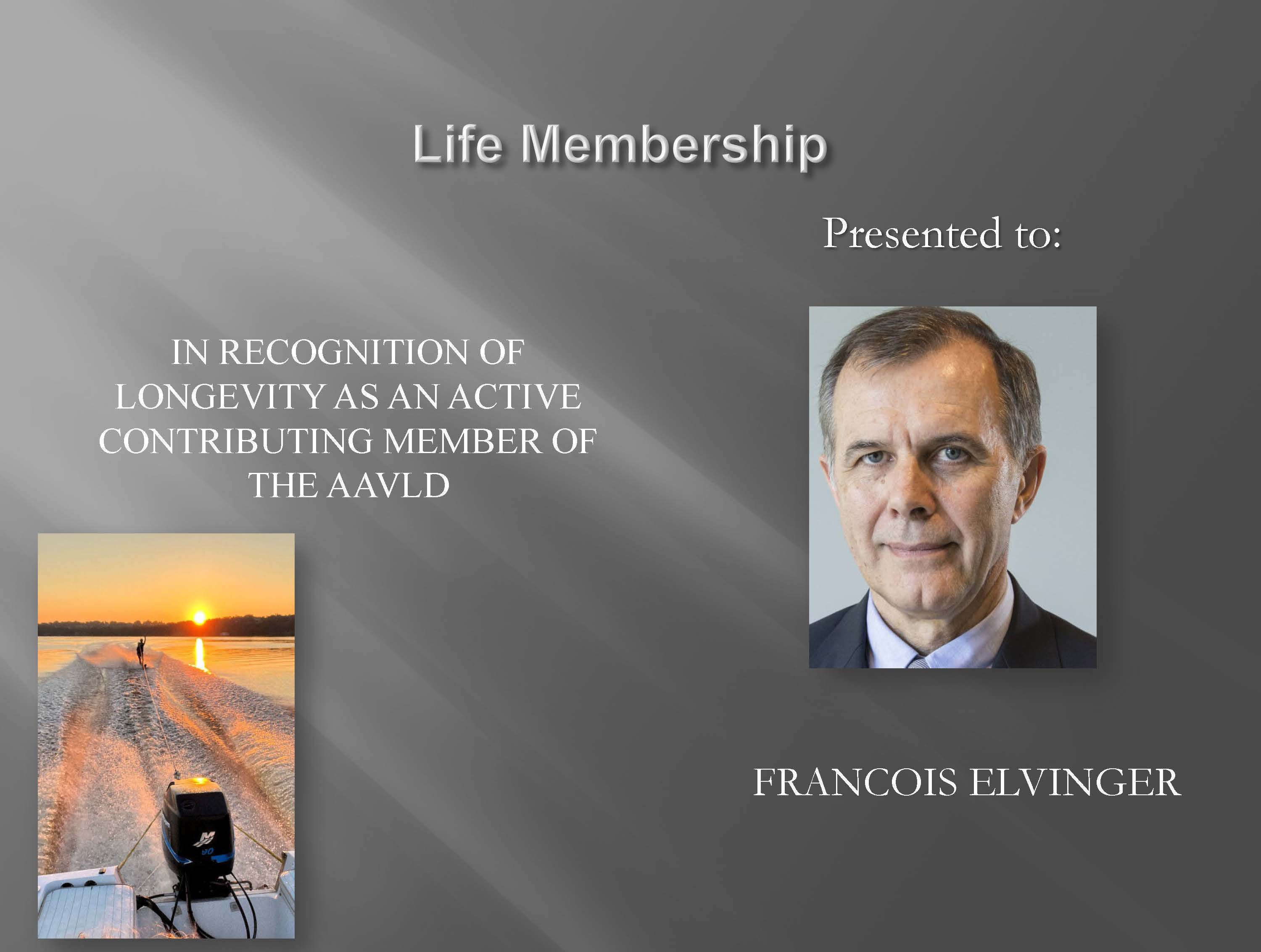
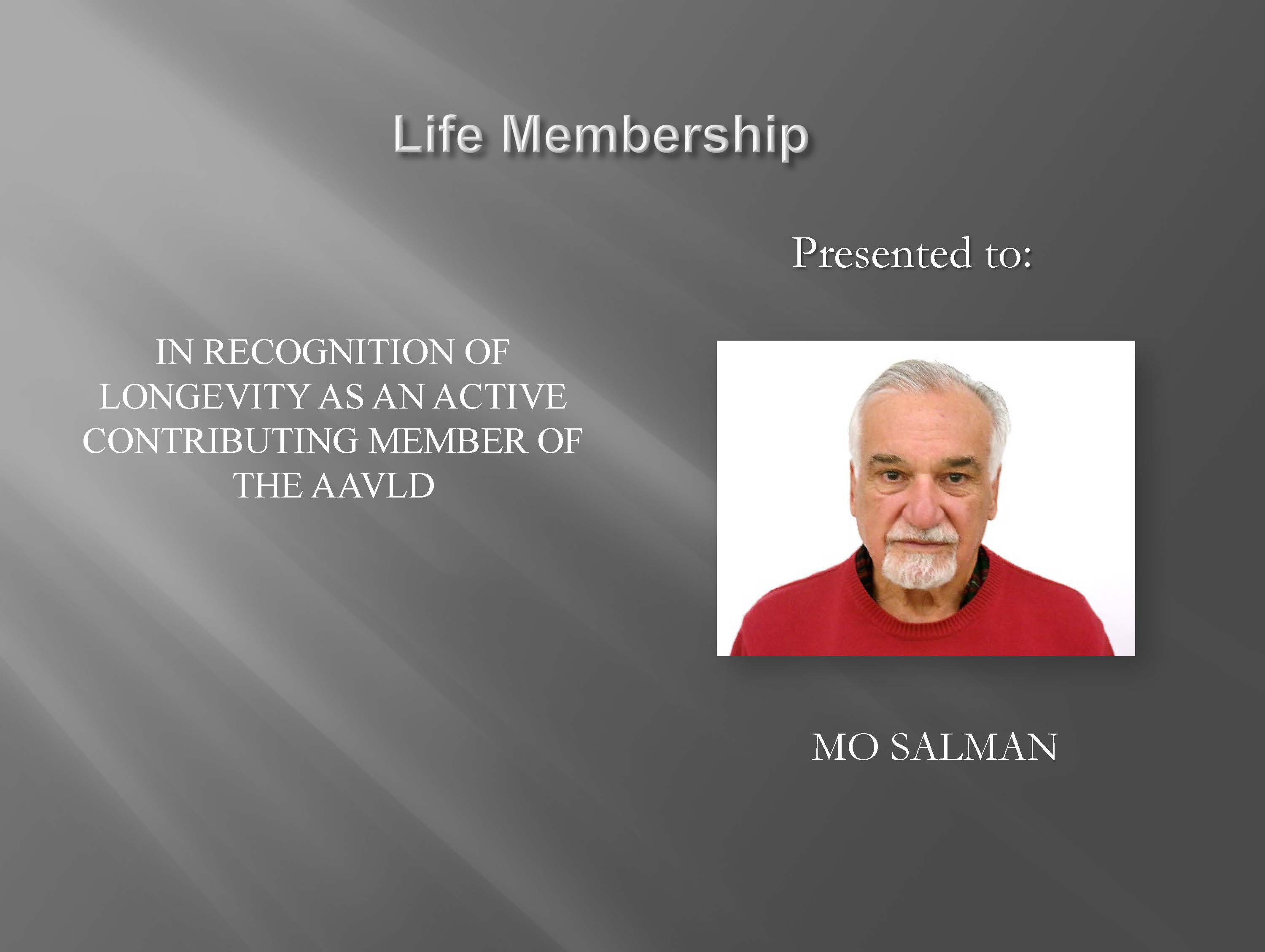
François Elvinger, Professor of Veterinary Epidemiology, Associate Dean for Diagnostic Operations and Government Relations, and Executive Director of the Cornell University College of Veterinary Medicine Animal Health Diagnostic Center and New York State Veterinary Diagnostic Laboratory, obtained his veterinary and Dr.med.vet. degrees at the Hannover Veterinary School in Germany (1981 and 1983), his Ph.D. from the University of Florida (1990), before taking his first faculty position as veterinary epidemiologist at the University of Georgia Veterinary Diagnostic and Investigational Laboratory in Tifton, Georgia (1990-1997), then moving on to the Large Animal Clinical Sciences Department and Production Management Medicine group at the Virginia-Maryland College of Veterinary Medicine at Virginia Tech in Blacksburg, Virginia (1997-2015). He developed the Virginia Tech Public Health Program with the first veterinary college-based MPH degree program and the Population Health Sciences Department, of which he was the founding director and founding head, before joining the Cornell Animal Health Diagnostic Center in 2015. After joining the AAVLD and the USAHA in 1991, he chaired his first AAVLD committee in 1994, the Committee on Animal Disease Reporting, which produced the DxMonitor, an early veterinary diagnostic laboratory–based animal health and disease quarterly report. He has held leadership positions as chair, founding chair, and co-chair of committees of both organizations ever since, with his colleagues, mentors, and close friends Drs. Bruce Akey, Mo Salman, and Mark Thurmond, including co-founder of the AAVLD Epidemiology Committee and of one of the two earliest AAVLD and USAHA Joint Committees, on Animal Disease Surveillance and Animal Health Information, now Animal Health Surveillance and Information Systems, which he both co-chaired for more than 10 years. He has co-chaired the Steering Committee on the National Animal Health Reporting System (NAHRS; 1998–2011) and has chaired the Steering Committee of the National Animal Health Surveillance System (NAHSS; 2004–2012), both joint projects of AAVLD, USAHA, and USDA:APHIS:VS and CEAH. His work on launching NAHRSS and NAHSS earned him the APHIS Administrator’s Award in 2007 at the annual meeting in Reno, NV. Dr. Elvinger held the AAVLD Presidency with its many pre- and post-presidency chair commitments in 2015. He served as a member of the Coordinating Council of the National Animal Health Laboratory Network (NAHLN), and now co-chairs the Joint Committee on the NAHLN, as well as, again, the AAVLD Epidemiology Committee. He is a diplomate of both the American College of Veterinary Preventive Medicine (1994) and the European College of Veterinary Public Health (2005), with research, teaching, and service interests in surveillance methodology for high-impact disease and validation of diagnostic tests, in particular for infectious, including zoonotic diseases. Dr. Mo Salman, DVM, MPVM, PhD, DACVPM, FACE, Hon. Dipl. AVOHS, is a distinguished professor in the Department of Clinical Sciences at Colorado State University (CSU) and the founder and director of the Animal Population Health Institute within the College of Veterinary Medicine and Biomedical Sciences. With over 40 years of experience, Dr. Salman has an extensive educational background in veterinary medicine (BVMS), preventive veterinary medicine (MPVM), and comparative pathology (PhD). He is a Diplomate of the American College of Veterinary Preventive Medicine (ACVPM), a Fellow of the American College of Epidemiology (ACE), and an Honorary Diplomate of the American Veterinary One Health Society (AVOHS). Dr. Salman’s research specializes in surveillance and survey methodologies for animal diseases and veterinary public health, with a focus on infectious diseases and zoonoses. He is the editor of the 2003 book Animal Disease Surveillance and Survey Systems: Methods and Applications. Over the past 30 years, he has led training sessions and workshops in epidemiology, surveillance, disease management, and risk assessment, sponsored by various local, national, and international organizations. Dr. Salman has made significant contributions to stabilizing and reconstructing national animal and public health programs in countries such as Bosnia, Afghanistan, Iraq, Mexico, East Africa, Georgia, Turkey, and Armenia. He has worked to enhance technical human infrastructure and border security to mitigate the spread of human and animal diseases. Additionally, he has advised on plans to build national biosecurity for animal health and develop public health strategies in Uruguay, Saudi Arabia, Iraq, Georgia, Armenia, and Kuwait. Dr. Salman served as chair of the initial WOAH (formerly OIE) committee that established guidelines for BSE (bovine spongiform encephalopathy) country status and was a member of the first European Union committee assessing BSE geographical risks among EU and non-EU nations. From 2009 to 2018, Dr. Salman was Editor-in-Chief of Elsevier Preventive Veterinary Medicine. In 2013, he served as a Jefferson Science Fellow with the U.S. Department of State, acting as a scientific advisor to the Africa Bureau. From 2015 to 2016, he coordinated the U.S. Department of State Biosecurity Engagement Program in Afghanistan, focusing on securing points of entry to prevent the introduction of highly pathogenic human and animal diseases. He has also served for the last nine years as a NATO civil expert on resilience and as a member of the WHO Joint External Evaluation (JEE) team. Currently, Dr. Salman is dedicated to education, developing case studies for field training of public animal health officers worldwide, and contributing to CSU’s academic programs for undergraduate, graduate, and professional students. His impactful contributions to animal and public health systems globally have cemented his reputation as a leader in his field. Dr. William Wilson, Ph.D., obtained his BSc (honors, 1979) and PhD (1985) in Animal Science at the University of Illinois. He was a Cromwell Postdoctoral Fellow before joining the USDA, ARS, Arthropod-Borne Animal Diseases Research Laboratory (ABADRL), located in Laramie, WY, as a Research Microbiologist in 1986. Dr. Wilson was relocated to Manhattan, KS, in 2020 with the Arthropod-Borne Animal Diseases Research Unit (ABADRU). He transferred to the Foreign Arthropod-Borne Animal Diseases Research Unit (FABADRU) at the National Bio and Agro-defense Facility (NBAF) in 2020 before retiring in December 2024. He is a Marty Vanier and Bob Krause Biosecurity Research Institute Fellow and has served as a scientific consultant to the FAO/IAEA Joint Animal Health Division, as well as an Affiliate Faculty at Colorado State University, Texas A&M, and Washington State University. He currently serves as an Adjunct Professor at Kansas State University and an Extraordinary Lecturer at the University of Pretoria, South Africa. He has been a member of several professional societies, including AAVLD since 1999, and continues to serve as the Membership Committee Chair for the World Society of Virology. Dr. Wilson’s research focuses on the molecular biology, pathogenesis, and diagnostics of arboviruses that cause important transboundary animal diseases (TADs,) including bluetongue, Japanese encephalitis, Rift Valley fever, and Vesicular Stomatitis. His work involves collaborative projects with national and international partners, including scientists from academia, government, and the bioscience industry in countries such as the US, Australia, Africa, and Japan. Recent collaborative partners include scientists from Kansas State University, the Canadian Food Inspection Agency, the Onderstepoort Veterinary Institute, and the University of Pretoria in South Africa, as well as, in Kenya, the International Livestock Research Institute, the Kenya Agricultural Livestock Research Organization, the Kenya Department of Veterinary Services, and the Kenya Wildlife Services. Dr. Wilson’s scientific activities have generated diagnostic tools and vaccines for the livestock industries as well as 10 book chapters and more than 150 peer-reviewed manuscripts. Amy K. Swinford, DVM, MS, Diplomate (Emeritus) ACVM, is director of the Texas A&M Veterinary Medical Diagnostic Laboratory. Dr. Swinford is a four-time graduate of the University of Illinois, earning bachelor’s degrees in both microbiology and veterinary science, a DVM, and a master’s degree in veterinary pathobiology. She became a diplomate of the American College of Veterinary Microbiologists in 1997. She started her career as a diagnostic virologist at the University of Nebraska Veterinary Diagnostic Center in Lincoln, studying pseudorabies virus and what was then a recently discovered disease, porcine reproductive and respiratory syndrome (PRRS). During this time, Dr. Swinford also served as a public health officer in the United States Air Force Reserve. In 2005, Dr. Swinford joined the Texas A&M Veterinary Medical Diagnostic Laboratory (TVMDL) as section head of diagnostic bacteriology/mycology. She also enjoyed collaborative research, and serving as an adjunct assistant professor in the College of Veterinary Medicine & Biomedical Sciences at Texas A&M University, where she delivered lectures in veterinary microbiology and infectious disease to first through third-year veterinary students. Dr. Swinford became TVMDL’s microbiology branch chief in 2012, overseeing the bacteriology, virology, serology, and molecular diagnostics sections. As branch chief, she provided leadership, oversaw stringent quality assurance and safety programs, and implemented new testing protocols. She became particularly interested in the quality assurance standards that applied to veterinary diagnostic laboratories, which led her to join the AAVLD Accreditation Committee’s Auditor Pool, and ultimately the AAVLD Accreditation Committee. She enjoyed many years serving on the Committee, auditing AAVLD laboratories, and seeing the AAVLD Accreditation Program Standard in action as it enhanced the quality of veterinary diagnostics across the United States. Dr. Swinford became associate director of TVMDL in 2015 and was appointed TVMDL’s sixth agency director in 2021. During her tenure, Dr. Swinford coordinated TVMDL’s responses to numerous disease outbreaks such as vesicular stomatitis, contagious equine metritis, anthrax, chronic wasting disease, highly pathogenic avian influenza, and SARS-CoV-2. She helped implement TVMDL’s testing of human patients for SARS-CoV-2 during the COVID-19 pandemic and guided her laboratory’s response to the outbreak of highly pathogenic avian influenza in dairy cattle, first discovered in the Texas Panhandle in 2024. Dr. Swinford has been recognized with awards from the Texas A&M University System, including the TVMDL Director’s Excellence Award, three Vice Chancellor’s Awards in Excellence, and the Texas A&M System Regents Fellow Service Award. On November 13, 2025, the Texas A&M System Board of Regents bestowed the title of director emeritus in recognition of Dr. Swinford’s 20-plus years of dedicated service to TVMDL and its clients. Dr. Swinford has been an active member of AAVLD since 1992, attending her first AAVLD/USAHA Annual Meeting in 1993 in Las Vegas, Nevada. She’s had the privilege of serving on numerous committees, including Accreditation, Subcommittee on Bacteriology and Mycology, Subcommittee on Antimicrobial Susceptibility Testing, Membership, Government Relations, Laboratory Directors, Strategic Planning, AAVLD/USAHA Joint Committee on the NAHLN, AAVLD Committee Chairs and Program Committee, AAVLD House of Delegates, and the AAVLD Executive Board.
WELCOME AAVLD PARTNERS!












 2026 Keynote & Plenary Speakers
|